

Complete Streets
What are Complete Streets?
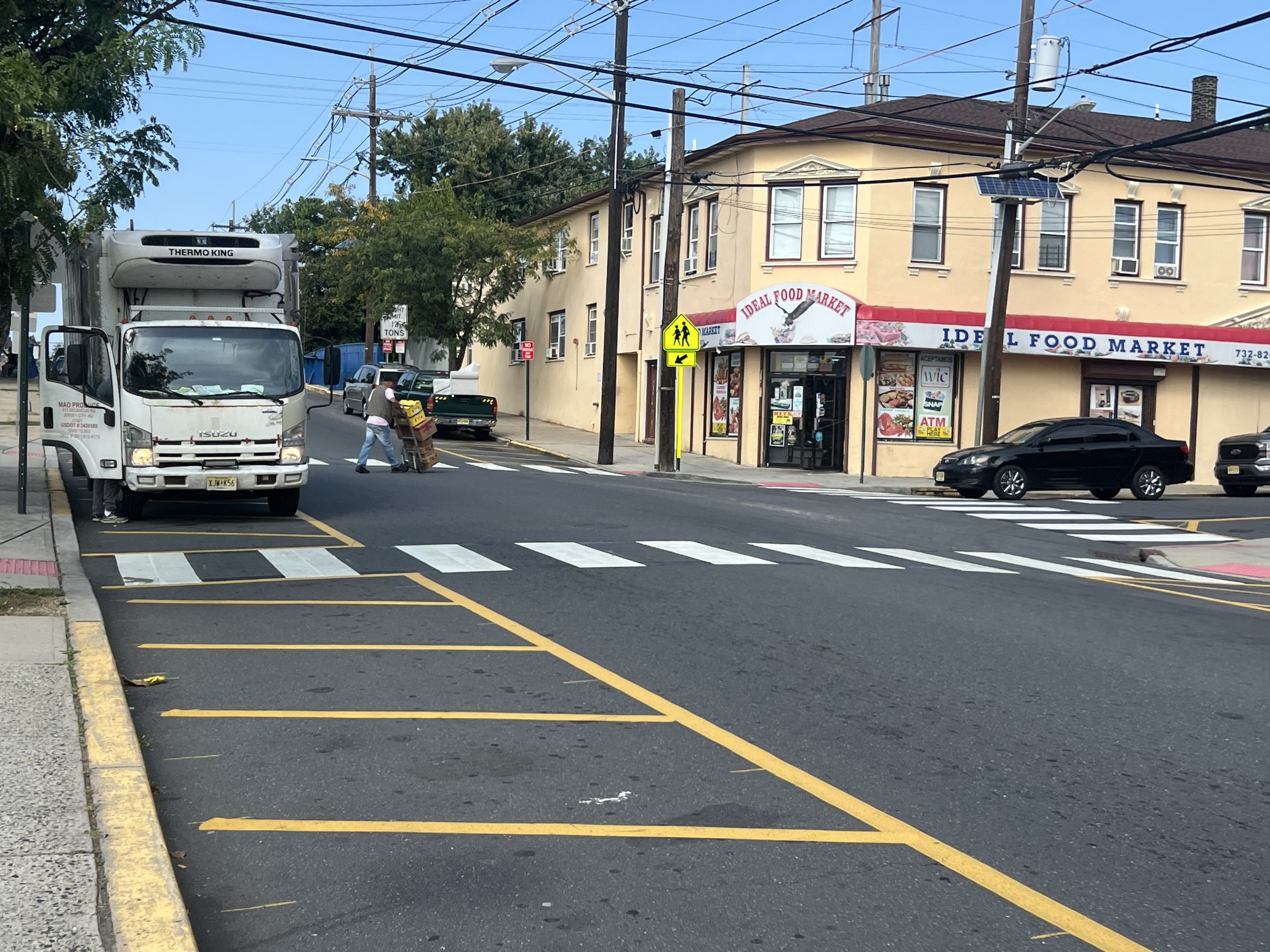
“Complete Streets” are designed and operated with the safety, mobility, and accessibility needs of users of all ages and abilities in mind. As such, they are streets that are safe and convenient for pedestrians, bicyclists, transit riders, and drivers of all ages and abilities.
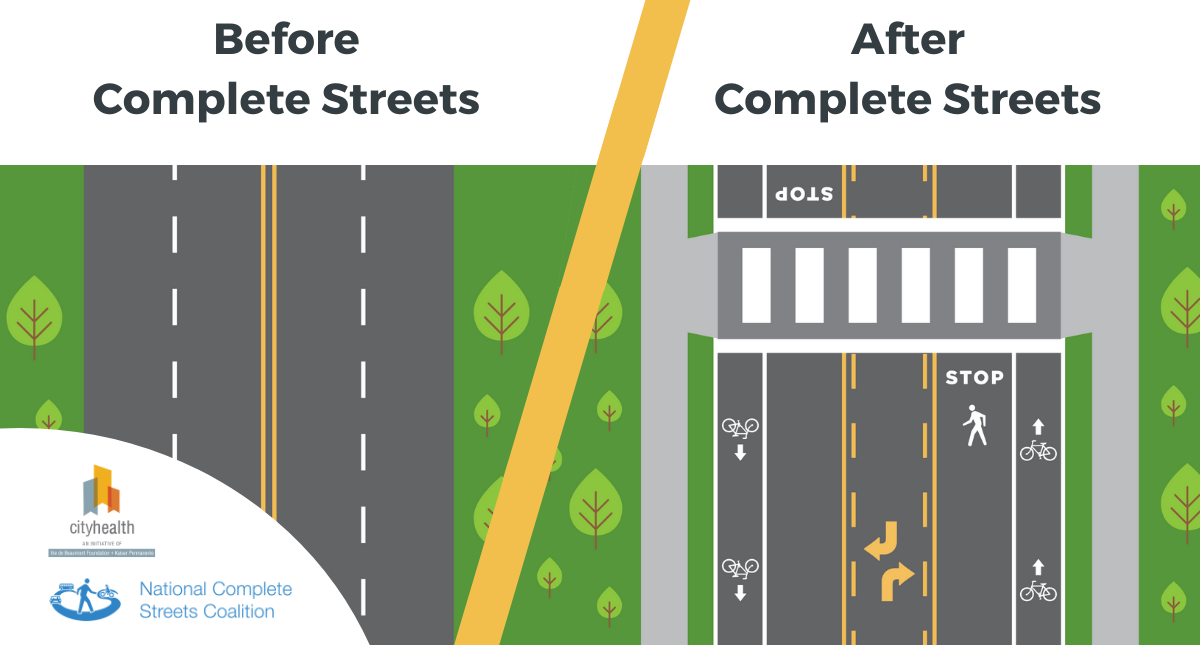
Image Source: Smart Growth America
Why Complete Streets?
Streets are more than just a way to move people and goods: they play a key role in ensuring that residents and visitors have a high quality of life. The following are just some of the reasons why streets are more than just places for traffic.
-
Complete Streets help communities increase physical activity, reduce traffic injuries and fatalities, and improve air quality.
-
Complete Streets often incorporate trees, plants and other types of green infrastructure, which can help communities reduce pollutants, manage stormwater, and keep the neighborhood cool.
-
Complete Streets are good for local business, providing many ways for residents and visitors to get to shops and services. New Jersey communities that have implemented Complete Streets have also seen a growth in business activity. Additionally, by providing access to affordable transportation options, Complete Streets can lower personal transportation costs, especially if it reduces the need to own a car.
-
Complete Streets can benefit all road users, but especially community members with limited transportation options, including young people, older adults, people with disabilities, and those living in lower income neighborhoods.